
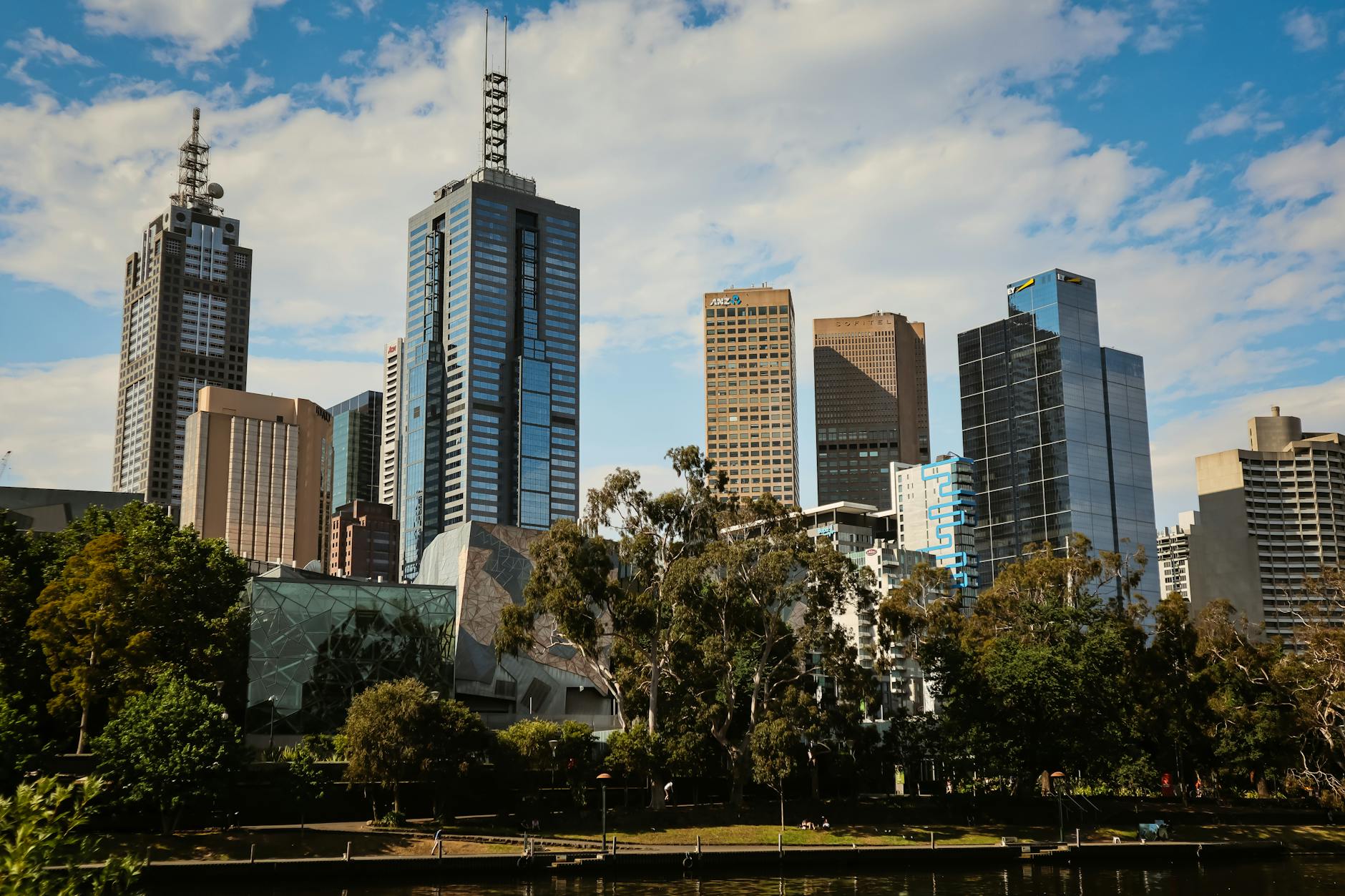


Melbourne, often hailed as Australia’s cultural capital, is a city that never ceases to impress. On my recent trip, I discovered why it continues to be one of the most visited destinations in the country. With its thriving food scene, eclectic laneways, buzzing nightlife, and rich arts and sporting culture, Melbourne is the kind of city that makes you feel at home while constantly surprising you with something new around every corner.
Why Visit Melbourne City?
Melbourne offers a perfect mix of sophistication and laid-back charm. Whether you’re into history, fashion, food, nature, or sport, the city has something for everyone. It’s also a place where cultures blend seamlessly, creating a vibrant and diverse atmosphere. The city’s coffee culture is legendary, the arts scene is alive with creativity, and world-class events—from the Australian Open to the Melbourne Cup—keep it buzzing all year round.
Getting from Melbourne Airport to the City
Arriving in Melbourne Tullamarine Airport, was easy, with direct flights connecting the city to major destinations across Australia and beyond. At the airport where my journey began, I quickly learned that getting into the city was a breeze. The most convenient way was the SkyBus, where I hopped on, and offers an affordable and convenient ride. Running express to Southern Cross Station, within 30 minutes I was in the heart of the city. It was a seamless journey without the stress of traffic. It felt effortless and gave me my first glimpse of Melbourne’s rhythm—fast-paced but somehow relaxed at the same time.


For comfort and privacy, taxis and rideshares are readily available, and if you prefer independence, car rentals are just as easy. But really, with Melbourne’s well-connected trams and trains, you may not need a car at all once you’re in the city. I loved the idea of stepping off a plane and straight into the city without thinking too much.
From the city, it was a short tram ride (thanks to the free tram zone!) to reach my hotel. Public transport in Melbourne is seamless and the tram network alone makes it one of the easiest cities to navigate.
Where to Stay in the Heart of the City
Melbourne’s charm is best experienced by staying in the heart of it all. The CBD (Central Business District) is where the city’s pulse beats strongest—hotels overlooking Flinders Street Station, boutique stays near Federation Square, or luxury escapes in Collins Street’s “Paris end.” For a touch of riverside elegance, Southbank offers sweeping views of the Yarra River with the bonus of being a stone’s throw from Crown Casino, art galleries, and fine dining.
Personally, I loved waking up to the buzz of the laneways, stepping out for a morning coffee where the aroma of roasted beans greeted me before the day even began.
I chose to stay right in the CBD, and it was the best decision I made. From my hotel window, I could see the trams gliding past, hear the morning bustle of cafés opening, and feel like I was right in the middle of it all. Walking out the door meant instant access to Flinders Street Station, Federation Square, and those famous laneways that Melbourne locals treat like hidden treasures. The CBD is ideal for first-time visitors, but other popular areas include Southbank (great for riverside dining and entertainment), Fitzroy (a hub for bohemian vibes and street art), and St Kilda (by the beach with a more relaxed atmosphere).
Staying in the heart of the city gave me the freedom to wander at my own pace, whether that meant a late-night stroll along the Yarra River or an early-morning coffee run in Degraves Street.
What to See and Do in Melbourne
From wandering through vibrant laneways filled with street art to visiting grand heritage buildings, Melbourne has endless things to see and do. Some highlights from my trip included:
- Federation Square – the city’s cultural hub.
- Hosier Lane – a must for street art lovers.
- Queen Victoria Market – perfect for fresh produce, souvenirs, and street food.
- Royal Botanic Gardens – a beautiful escape into nature.
- Eureka Skydeck – where I enjoyed panoramic views of the city.
Every corner of Melbourne tells a story. Strolling through the laneways, I discovered vibrant street art, quirky boutiques, and hole-in-the-wall cafés that locals guard like secrets. Federation Square drew me in with its modern architecture and lively public space, and just across the road, Flinders Street Station stood proudly as a city icon.


For sports lovers, the Melbourne Cricket Ground (MCG) is sacred ground, while art enthusiasts will find endless inspiration at the National Gallery of Victoria (NGV). And of course, Melbourne isn’t Melbourne without a day trip—whether to the Great Ocean Road, Phillip Island for the penguin parade, or Yarra Valley for wine tasting.
I spent my first morning exploring Hosier Lane, where the walls come alive with colour and creativity. Every mural felt like a story waiting to be told. Just around the corner, Federation Square greeted me with its modern architecture and lively atmosphere—it felt like Melbourne’s living room.


Later, I took a peaceful walk through the Royal Botanic Gardens, where the city’s buzz melted away and all I could hear were birds and rustling leaves. From there, I couldn’t resist heading up to the Melbourne Skydeck, where the entire city stretched out before me—the Yarra winding through, the MCG standing proud, and the Dandenong Ranges sitting quietly in the distance.


And because no visit to Melbourne is complete without it, I made a stop at the Queen Victoria Market. The smells of fresh bread, sizzling street food, and strong coffee made me linger longer than I planned.


Where to Dine and Wine
Dining in Melbourne is an experience in itself. I explored hidden laneways and found cozy cafés serving the best flat whites I’ve ever tasted. One evening, I treated myself to a riverside dinner along Southbank, enjoying fine dining with stunning views of the Yarra River. For wine lovers, Melbourne’s connection to nearby wine regions like the Yarra Valley makes it a fantastic base for day trips to indulge in world-class wines and gourmet food.
One standout is Attica in Ripponlea, consistently ranked among the world’s best restaurants, where every dish tells a story of Australian produce and creativity. On my second night, I found myself tucked into a laneway restaurant, sipping wine while soft jazz drifted out of the bar next door. Another night, I treated myself to Vue de Monde, where the views were as spectacular as the dishes. Watching the city lights sparkle while tasting modern Australian cuisine was an experience I’ll never forget.


But Melbourne doesn’t always have to be fine dining to impress. Breakfast in a cosy café, dumplings in Chinatown, or pasta in Carlton’s Italian district—every meal was an adventure. And of course, I couldn’t leave without indulging in Melbourne’s famous coffee culture. Each cup felt like it was brewed with pride.
Most Popular Spots to Visit
Melbourne thrives on its mix of old and new, and I loved exploring:
- Flinders Street Station – the iconic meeting point.
- St Kilda Beach – for a sunset stroll and to spot little penguins.
- Melbourne Zoo – a great place for wildlife lovers.
- South Melbourne Market – foodie heaven.
- Crown Casino Complex – for entertainment and nightlife.
Top 10 Attractions in Melbourne
- Federation Square
- Flinders Street Station
- Hosier Lane
- Melbourne Cricket Ground (MCG)
- Royal Botanic Gardens
- Queen Victoria Market
- St Kilda Beach
- Eureka Skydeck
- Melbourne Museum & Royal Exhibition Building
- National Gallery of Victoria (NGV)
The Highlights That Stood Out
- Watching the world go by at Flinders Street Station.
- Getting lost (on purpose) in the laneways filled with street art and cafés.
- Strolling along the Southbank Promenade, with the Yarra River reflecting the city lights.
- Feeling small yet inspired inside the National Gallery of Victoria (NGV).
- Joining the locals at a footy match in the MCG—an experience full of energy and passion.
Best Way to Get Around Melbourne City
The free tram zone within the CBD is one of the best perks for travelers—it makes exploring central Melbourne both easy and budget-friendly. For areas outside the CBD, the Myki card works across trams, trains, and buses. Walking is another great option, especially through the laneways and markets where you’ll uncover hidden gems.
Best Time to Visit Melbourne
Melbourne is known for its “four seasons in a day.” but spring (September–November) brings blossoming gardens and perfect walking weather. Summer (December–February) is alive with festivals, outdoor dining, and cricket matches. Autumn (March–May) paints the city with golden leaves, and winter (June–August) offers cosy laneway cafés, the theatre season, and warming bowls of hearty food.
Melbourne’s charm changes with every season. I loved visiting in spring, when the air was warm but not hot, the gardens were in bloom, and the city felt fresh and colourful. That said, I’ve also been in autumn, and there’s something magical about Melbourne’s streets when the leaves turn golden.
✨ Final Thoughts:
My trip to Melbourne was a delightful blend of culture, food, and adventure. It’s a city that rewards curiosity, whether you’re sipping coffee in a tucked-away laneway, admiring art in a gallery, or catching a sunset at St Kilda Beach. Melbourne truly deserves its reputation as one of the world’s most liveable cities—and I can’t wait to go back.
Melbourne isn’t a city you just visit—it’s a city you experience. It’s the taste of a perfect latte on a chilly morning, the sound of a tram bell echoing down Swanston Street, the sight of murals that change every week, and the feeling of belonging even when you’re just passing through.
For me, Melbourne will always be more than a destination. It’s a place that draws you back, time and time again, with the promise of new secrets hidden just around the corner.