
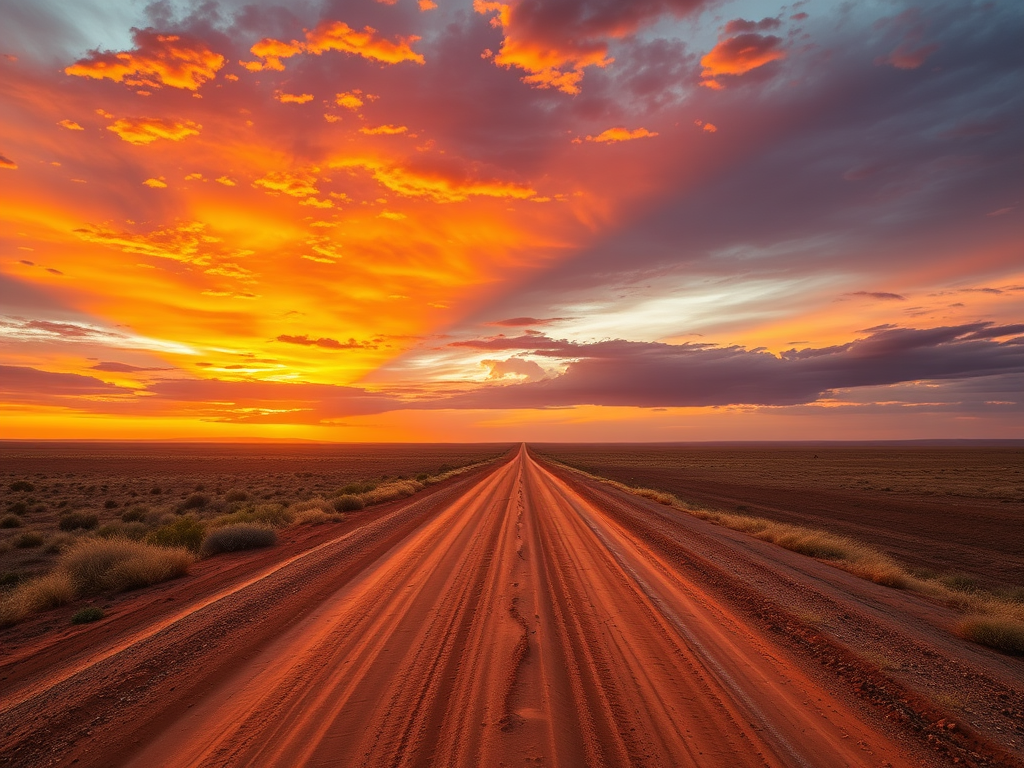

Living in Cairns has taught me that Far North Queensland is at its best once you leave the main road and keep driving. While most visitors head straight for the reef or rainforest, I’ve found that the real magic begins when the traffic thins, the towns get smaller, and the landscape opens up.
These road trips from Cairns have taken me into some of the least-visited corners of FNQ — places that reward patience, curiosity, and the right timing.
Leaving Cairns and Climbing the Range

Every journey starts the same way: leaving Cairns and climbing the Kuranda Range. The humidity slowly eases, the air cools, and the Atherton Tablelands spread out ahead.
Best time to drive: May to September
This is the dry season, when roads are safer, river crossings are low, and the days are perfect for long drives without the oppressive heat.
Mount Molloy Back Roads: Close, Yet Forgotten

About an hour and a half from Cairns, Mount Molloy is often treated as nothing more than a pass-through town. I like to slow down here, turning off onto the back roads where seasonal creeks, old timber tracks, and quiet rainforest pockets sit unnoticed.
Best time to visit: June to August
Cooler temperatures make exploring comfortable, and creek levels are usually safe. After heavy wet seasons, some tracks may still be rough.
Tate River Crossing: A Pause in the Journey

Heading west past Mareeba toward Mount Surprise, I always stop at the Tate River crossing. In the dry season, it’s a wide, open riverbed where you can truly see how the land changes between seasons.
Standing here, it’s hard to imagine how powerful this river becomes during the wet.
Best time to visit: July to September
By mid-year, the river is usually calm and accessible. During the wet season (December to March), this area can be flooded and impassable.
Agate Creek near Petford: Where Time Slows

The drive toward Chillagoe and Petford feels like stepping into another era. Agate Creek is one of those places I never rush — a quiet waterway where I stop to swim, sit, or camp under a sky full of stars.
There’s no phone signal here, and that’s part of the appeal.
Best time to visit: June to August
Water levels are clearer and safer, nights are cool, and the risk of sudden flooding is low. Avoid the peak wet season when access can be unpredictable.
Mount Formartine Caves: True Exploration

While many people stop at Chillagoe’s guided caves, I prefer venturing further to Mount Formartine. These caves are wild, unlit, and rarely visited, which makes the experience feel raw and real.
This is not a place for rushing — preparation and respect for the landscape are essential.
Best time to visit: May to August
Dry conditions reduce the risk of slippery rock surfaces and flash flooding. Summer heat and wet-season storms make this area unsafe for casual exploration.
Mount Carbine Tablelands: Forgotten Country

West of Mount Molloy, the Mount Carbine Tablelands unfold into open woodland dotted with relics from a mining past. I find this part of the journey deeply reflective — wide skies, quiet roads, and almost no traffic.
It’s the kind of place where you pull over simply because the silence feels right.
Best time to visit: June to September
Road conditions are at their best, temperatures are mild, and wildlife sightings are more frequent during the cooler months.
Mount Mulligan (Ngarrabullgan): Watching from a Distance

One of the most powerful moments on these road trips is seeing Mount Mulligan rise suddenly from the plains. Known as Ngarrabullgan, the mountain holds deep cultural significance and remains largely inaccessible.
I don’t need to climb it to feel its presence — just seeing it from the road is enough.
Best time to view: Dry season (May to September)
Clear skies offer the best visibility, and road conditions around the area are far safer than during the wet.
Roads Between Destinations

My final Reflection Shot

When Not to Go: Wet Season Reality
From December to March, much of inland Far North Queensland is shaped by heavy rain. Roads flood, creeks rise quickly, and remote travel becomes risky. While the wet season has its own beauty, these particular road trips are best left for the drier months.
Practical Road-Trip Safety Tips for Remote FNQ
Travelling beyond the tourist trail in Far North Queensland is incredibly rewarding — but it also requires preparation and respect for the land.
🚗 Plan Before You Go
- Check road conditions and weather forecasts before leaving Cairns.
- Let someone know your route and expected return time, especially when heading west.
- Avoid driving at night — wildlife is active and visibility is poor.
⛽ Fuel, Food & Water
- Fill up whenever fuel is available — distances between towns can be long.
- Carry extra water, especially in the dry season heat.
- Pack food in case road conditions delay your return.
🌊 Creeks & Rivers
- Never cross flooded roads or creeks — water depth can be deceptive.
- Conditions can change quickly after rain, even in the dry season.
- If unsure, turn back — there’s no shame in caution.
📶 Communication & Navigation
- Phone reception is unreliable — download offline maps.
- A UHF radio or satellite device is highly recommended for remote areas.
- Don’t rely solely on GPS; some tracks are unmarked or outdated.
🌿 Respect the Land
- Many places are culturally significant — observe access restrictions.
- Leave no trace: take rubbish with you.
- Stay on existing tracks to protect fragile environments.
Why I Keep Taking These Roads
These road trips from Cairns remind me that Far North Queensland isn’t just about destinations — they’re about slowing down, listening to the land, and discovering places that still feel untouched. Far North Queensland rewards those who travel thoughtfully, at the right time of year, and with respect for its powerful seasons. These quieter roads offer something rare: space to breath, reflect, and truly connect.
Sometimes, the best journeys aren’t the ones everyone talks about — they’re the ones you experience alone, quietly, and at your own pace.
Every time I return to Cairns after one of these trips, I carry a little more appreciation for how vast, wild, and quietly beautiful this region really is.